


CPT 43250: Understanding This EGD Procedure

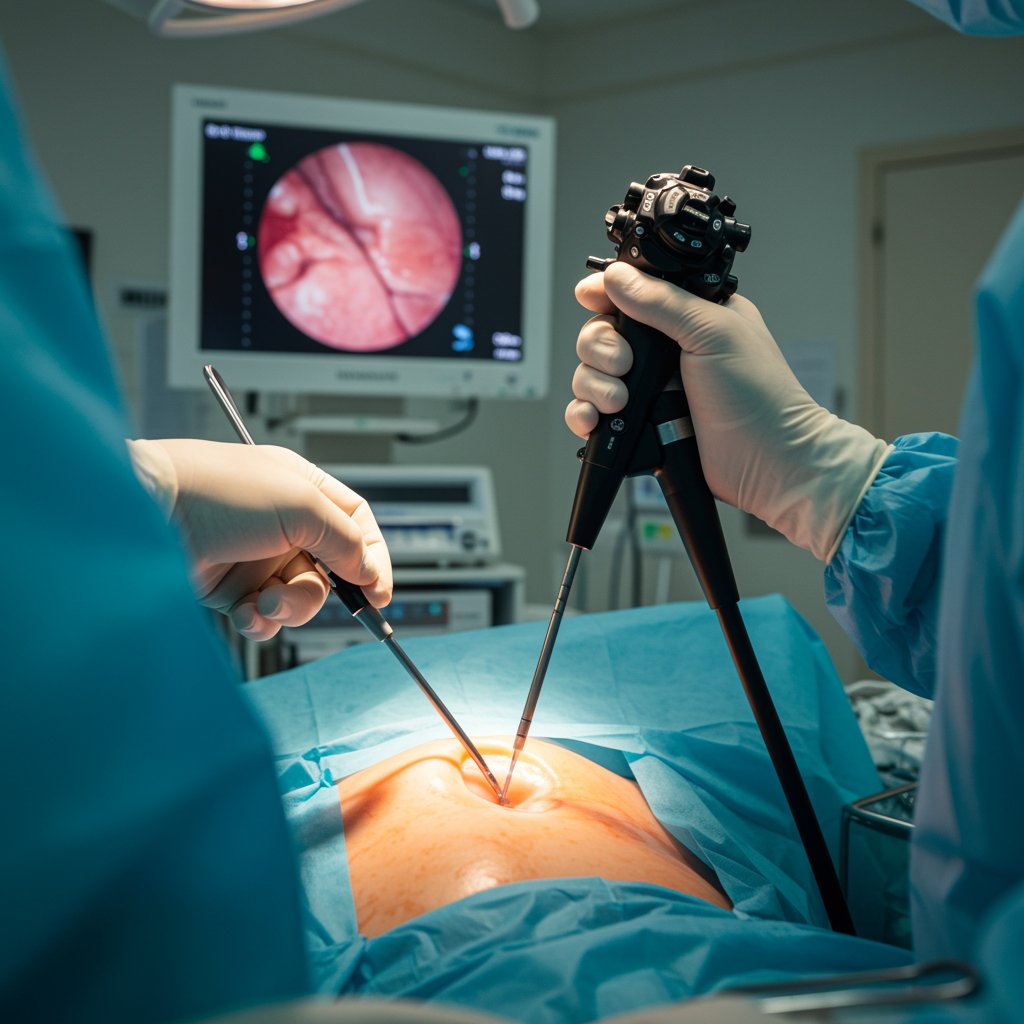
CPT 43250: Understanding This EGD Procedure
Esophagogastroduodenoscopy (EGD) is one of the most widely performed diagnostic and therapeutic gastrointestinal procedures in the United States. Among the many CPT codes associated with EGD, CPT 43250 holds a specific purpose and plays a major role in evaluating and treating patients with upper GI concerns. For healthcare providers, coders, and billing teams, proper understanding of this code is essential to ensure accurate reimbursement, smooth workflow, and clear documentation. At Theiatrics, we support medical practices across the USA with reliable clinical and billing solutions that help reduce administrative complexity.
What Is CPT 43250?
CPT 43250 is used for an esophagogastroduodenoscopy procedure where the physician performs an endoscopic removal of a lesion, tumor, or polyp from the upper GI tract using a snare technique. This procedure is performed using an endoscope that passes through the mouth and allows direct visualization of the esophagus, stomach, and duodenum.
It is typically used for patients who present with symptoms such as chronic abdominal pain, GI bleeding, persistent vomiting, difficulty swallowing, or suspected growths in the upper gastrointestinal tract. When the physician identifies a lesion or polyp, the snare allows safe removal to prevent complications or send the tissue for further analysis.
Why This Code Matters for Healthcare Providers
Correct use of CPT 43250 helps ensure accurate claim submission and prevents denials. Providers often face challenges when documentation is incomplete or when procedures are inaccurately coded. This is where structured reporting, proper terminology, and organized workflow play an important role.
EGD procedures can vary significantly depending on the findings inside the GI tract. Because of this, coders must closely evaluate the physician’s notes and confirm that a snare technique was used specifically for lesion or polyp removal. Accurate coding increases reimbursement efficiency and supports cleaner audit trails.
Procedure Overview: What Actually Happens?
During an EGD with lesion removal using a snare:
The patient is sedated for comfort and safety.
The endoscope is inserted through the mouth and guided down the esophagus.
The physician carefully examines the esophagus, stomach, and duodenum.
If a lesion or polyp is detected, a snare—typically a wire loop—is used to remove it.
Tissue is collected for biopsy or pathology if necessary.
The physician confirms that there is no active bleeding or complications before completing the procedure.
This method is preferred for its minimally invasive nature and allows patients to recover quickly.
Common Reasons CPT 43250 Is Used
• Removal of gastric polyps
• Excision of esophageal lesions
• Treatment of bleeding lesions
• Sampling suspicious tissue in the upper GI tract
• Preventing progression to serious GI disorders
Because these conditions can impact long-term digestive health, timely and accurate procedural treatment is crucial.
Documentation Requirements for CPT 43250
Complete documentation supports accurate coding, smoother billing, and improved practice efficiency. A well-documented EGD report should include:
• Technique used (confirmation of snare removal)
• Specific location of the lesion or polyp
• Size and nature of the removed tissue
• Any complications or abnormal findings
• Follow-up recommendations
Clear documentation also supports internal processes like credentialing, insurance approvals, and clinical compliance.
Reimbursement Considerations
EGD procedures often play a role in early detection and preventive care, which makes proper billing especially important. For CPT 43250, reimbursement can vary depending on:
• Payer guidelines
• Documentation accuracy
• Hospital vs. office setting
• Medical necessity criteria
Practices must stay updated on the latest payer policies to avoid delays or denials. This is where many healthcare organizations choose to rely on structured billing support or outsourced teams to manage coding consistency.
The Importance of Accuracy in GI Procedure Coding
Missteps in GI procedure billing are common due to the number of codes and variations in EGD techniques. Coding errors can lead to underpayment, unnecessary audits, or repeat claim submissions. A clear understanding of CPT 43250 helps reduce financial and administrative burdens on healthcare practices.
Healthcare teams also benefit from consistent training and periodic audits of their coding workflow. Even one incorrect interpretation can create gaps in reimbursement, especially with procedures performed frequently.
How Theiatrics Supports Your Medical Practice
Theiatrics works with clinics, hospitals, and GI specialists across the USA to support smoother workflow management, accurate coding, and better operational efficiency. From clinical documentation assistance to billing support, our solutions help improve accuracy and reduce administrative load.
Whether you need help understanding GI procedure codes, improving documentation quality, or strengthening your billing operations, our team is ready to support you. Many providers reach out when they want to streamline their processes or improve claim success rates, and we ensure the experience is simple and reliable. If you need guidance with coding or reporting for upper GI procedures, you are welcome to contact us anytime.
FAQs
1. What is CPT 43250 used for?
CPT 43250 is used for an EGD procedure where a physician removes a lesion, tumor, or polyp from the upper GI tract using a snare technique. It is typically performed when abnormal growths are detected during examination.
2. Is CPT 43250 considered a diagnostic or therapeutic procedure?
It is considered a therapeutic procedure because it involves the removal of a lesion or polyp rather than simple observation or diagnosis.
3. What documentation is required to bill CPT 43250 correctly?
Providers must document the snare technique used, the exact location of the lesion, tissue size, any sample collected, findings, and any complications. Clear documentation ensures accurate billing and reduces claim denials.
4. Does insurance usually cover CPT 43250?
Most insurance plans cover this procedure when it is medically necessary and properly documented. Coverage may vary based on payer guidelines, so practices should verify requirements in advance.
5. Can CPT 43250 be billed along with biopsy codes?
Generally, if a lesion is removed using a snare, a separate biopsy code is not billed for the same site. However, if a biopsy is taken from a different anatomical site during the same EGD, that code may be billed separately based on payer rules.
Also Checkout
• 00222 – Anaesthesia for Head Procedures Explained
• CPT 45378 – Diagnostic Colonoscopy Explained

Get The Free Consultation Service
5900 Balcones Drive Ste 7988, Austin, Texas, 78731, USA
Follow Us On
Follow us on our socials to stay updated with our services and get excited offers
© 2026 Theiatrics. All Rights Reserved