

CPT 43239: Upper GI Endoscopy Billing Guide

CPT 43239: Upper GI Endoscopy Billing Guide
Upper gastrointestinal procedures are common in gastroenterology practices across the USA. Among them, CPT 43239 – Upper GI Endoscopy with Biopsy is one of the most frequently billed codes. Accurate coding of this procedure is essential to avoid denials, delays, and compliance risks.
For healthcare providers, understanding how this code works can improve reimbursement and reduce audit exposure. For billing teams, knowing the documentation requirements makes a significant difference in clean claim submission.
This guide explains what CPT 43239 covers, when to use it, and how to bill it correctly.
What Is CPT 43239?
CPT Code 43239 describes:
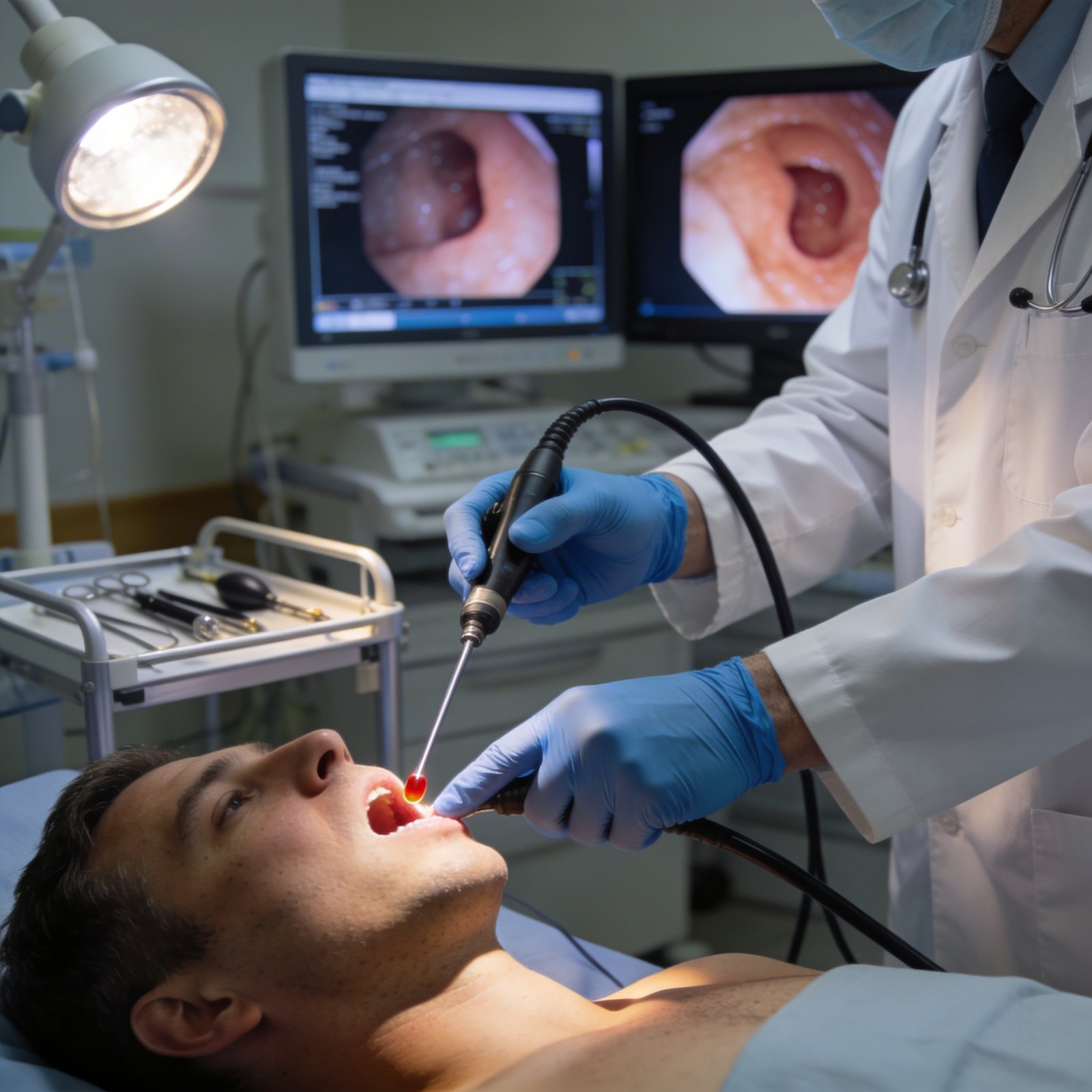
Esophagogastroduodenoscopy (EGD), flexible, transoral; with biopsy, single or multiple.
This means a physician performs a flexible endoscopic examination through the mouth to evaluate:
-
The esophagus
-
The stomach
-
The duodenum (first part of the small intestine)
During the same session, one or more biopsy samples are taken.
The key factor that distinguishes CPT 43239 from other EGD codes is the performance of a biopsy.
When Is CPT 43239 Used?
Physicians typically perform an EGD with biopsy for patients experiencing:
-
Chronic GERD symptoms
-
Persistent upper abdominal pain
-
Difficulty swallowing (dysphagia)
-
Gastrointestinal bleeding
-
Suspected ulcers
-
Abnormal imaging findings
-
Suspicion of Barrett’s esophagus or cancer
The biopsy helps confirm diagnoses such as:
-
Helicobacter pylori infection
-
Gastritis
-
Esophagitis
-
Celiac disease
-
Malignancies
-
Precancerous tissue changes
Since pathology results impact treatment planning, this code represents both a diagnostic and clinical decision-making tool.
Difference Between CPT 43239 and Other EGD Codes
Many billing errors happen because coders choose the wrong EGD code. Here’s how CPT 43239 differs:
-
43235 – Diagnostic EGD only (no biopsy)
-
43239 – EGD with biopsy
-
43249 – EGD with balloon dilation
-
43251 – EGD with polypectomy
If a biopsy is performed, even a single sample, CPT 43239 must be reported.
If both biopsy and another therapeutic procedure are performed, coding rules must be carefully reviewed to apply correct modifiers and avoid bundling errors.
Documentation Requirements for CPT 43239
To support this code and avoid denials, documentation should include:
-
Indication for the procedure
-
Detailed endoscopy findings
-
Clear statement that a biopsy was taken
-
Location of biopsy site(s)
-
Number of specimens (even though the code covers single or multiple)
-
Pathology submission confirmation
If the medical record does not clearly document the biopsy, payers may downcode the claim to 43235 or deny it completely.
Strong documentation protects revenue and ensures compliance.
Common Billing Mistakes
Here are frequent issues seen in GI practices:
-
Reporting 43239 when no biopsy was performed
-
Failing to append appropriate modifiers when required
-
Incorrect ICD-10 diagnosis linkage
-
Missing medical necessity documentation
-
Not verifying payer-specific bundling edits
Because endoscopy procedures are closely reviewed by payers, accuracy is critical.
Reimbursement and Compliance Considerations
CPT 43239 is reimbursed differently based on:
-
Site of service (ASC, hospital outpatient, office)
-
Geographic region
-
Payer contracts
-
Provider participation status
Improper reporting can trigger:
-
Claim denials
-
Post-payment audits
-
Recoupments
-
Compliance investigations
Working with experienced medical billing professionals ensures proper claim submission, denial management, and appeals handling.
For providers expanding services, credentialing plays a vital role in ensuring eligibility with commercial payers and Medicare. Without proper enrollment, even correctly coded claims will not be reimbursed.
Why CPT 43239 Is Important for GI Practices
Gastroenterology is a high-volume specialty. EGDs are performed daily in many practices throughout the USA. Even a small error rate in billing CPT 43239 can lead to significant revenue loss over time.
Efficient revenue cycle management requires:
-
Accurate coding
-
Timely claim submission
-
Denial tracking
-
Appeals management
-
Compliance monitoring
Outsourcing to experienced billing experts allows physicians to focus on patient care instead of paperwork.
How TheIatrics Supports GI Practices
TheIatrics is a USA-based company specializing in medical billing, coding, and revenue cycle management services.
For gastroenterology practices, TheIatrics offers:
-
Accurate CPT coding review
-
ICD-10 diagnosis validation
-
Denial management
-
AR follow-up
-
Compliance monitoring
-
Credentialing and provider enrollment support
Their team understands high-risk procedures like CPT 43239 and ensures claims are submitted correctly the first time.
If your practice is facing frequent denials, underpayments, or documentation concerns related to EGD procedures, the right support team can make a measurable difference.
Final Thoughts
CPT 43239 – Upper GI Endoscopy with Biopsy is a commonly performed but carefully scrutinized procedure code. Proper documentation, correct coding, and compliance awareness are essential to protect reimbursement.
GI practices must ensure:
-
Clear biopsy documentation
-
Proper code selection
-
Correct diagnosis linkage
-
Modifier accuracy when required
Revenue leakage often happens quietly through small recurring mistakes.
If your practice needs support with gastroenterology billing, compliance audits, or revenue cycle improvement, contact us to learn how TheIatrics can help streamline your billing operations and strengthen financial performance.

Get The Free Consultation Service
© 2024 Theiatrics. All Rights Reserved